UCL Injuries
Specialized care for ulnar collateral ligament (UCL) injuries in baseball, softball, and other overhead athletes. Focused on accurate diagnosis, individualized treatment, and helping athletes safely return to throwing and competition.
Understanding the UCL
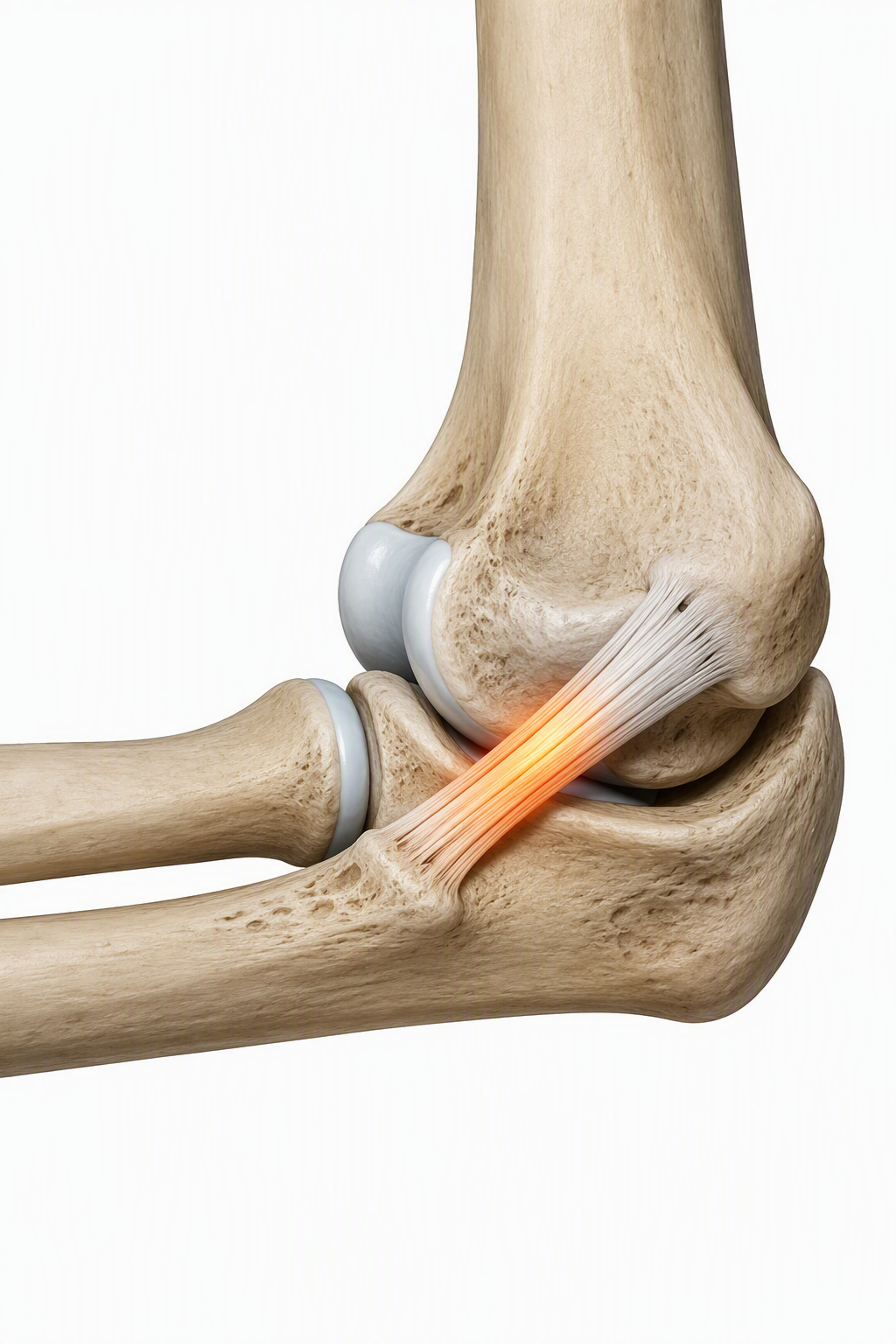
Anatomy of the Elbow
The ulnar collateral ligament (UCL) is one of the primary stabilizing ligaments on the inner (medial) side of the elbow. During throwing, particularly in baseball pitchers and other overhead athletes, the UCL experiences tremendous stress as it resists the valgus forces generated during the throwing motion.
The UCL works together with the flexor-pronator muscles and surrounding structures to maintain elbow stability during high-velocity throwing.
A UCL injury occurs when the ligament on the inside of the elbow becomes stretched, partially torn, or completely torn.
These injuries are most commonly seen in:
Baseball pitchers
Catchers
Infielders
Softball players
Quarterbacks
Javelin throwers
UCL injuries may develop gradually over time from repetitive throwing or occur suddenly during a single throw.
What is a UCL Injury?
The repetitive stresses associated with throwing place tremendous force across the inner elbow.
Common contributing factors include:
Repetitive throwing
Overuse
Poor throwing mechanics
Inadequate recovery
Sudden increases in throwing volume
Shoulder mobility deficits
Scapular dysfunction
Muscle fatigue
Common Causes of UCL Injuries
Common Symptoms of a UCL Injury
Athletes commonly report:
Pain on the inside of the elbow
Loss of throwing velocity
Decreased command or accuracy
Elbow stiffness
Difficulty recovering between outings
A popping sensation during throwing
Loss of endurance
Numbness or tingling in the ring and small fingers
Many athletes first notice a decline in performance before experiencing significant pain.
Types of UCL Injuries
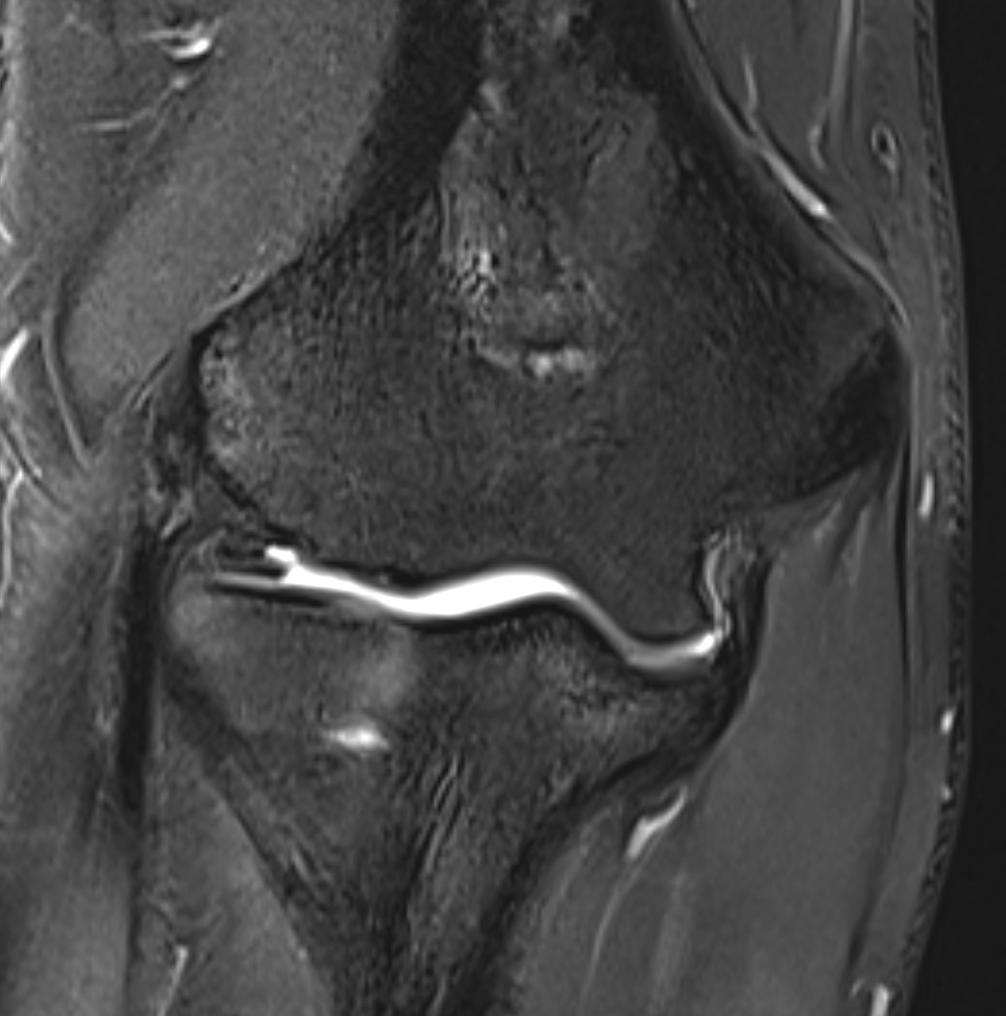
UCL Sprain
The ligament is stretched but remains intact.
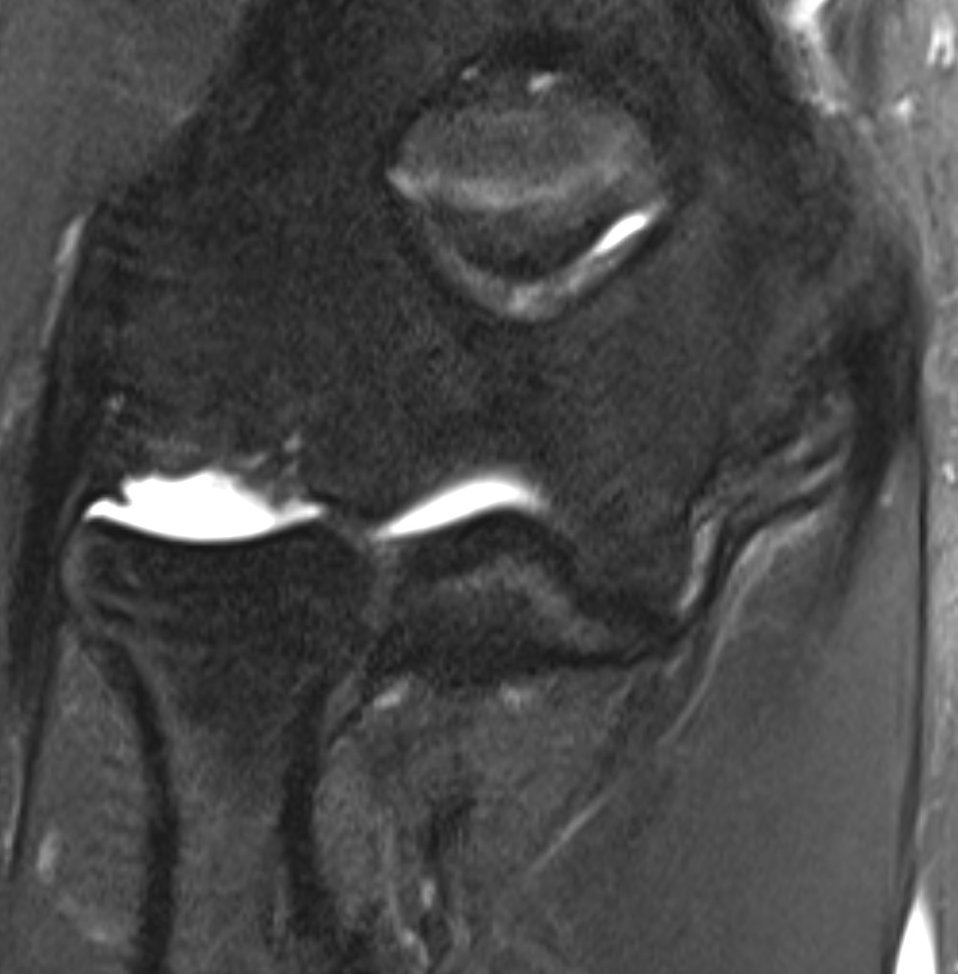
Partial UCL Tear
A portion of the ligament is torn, while some fibers remain attached.
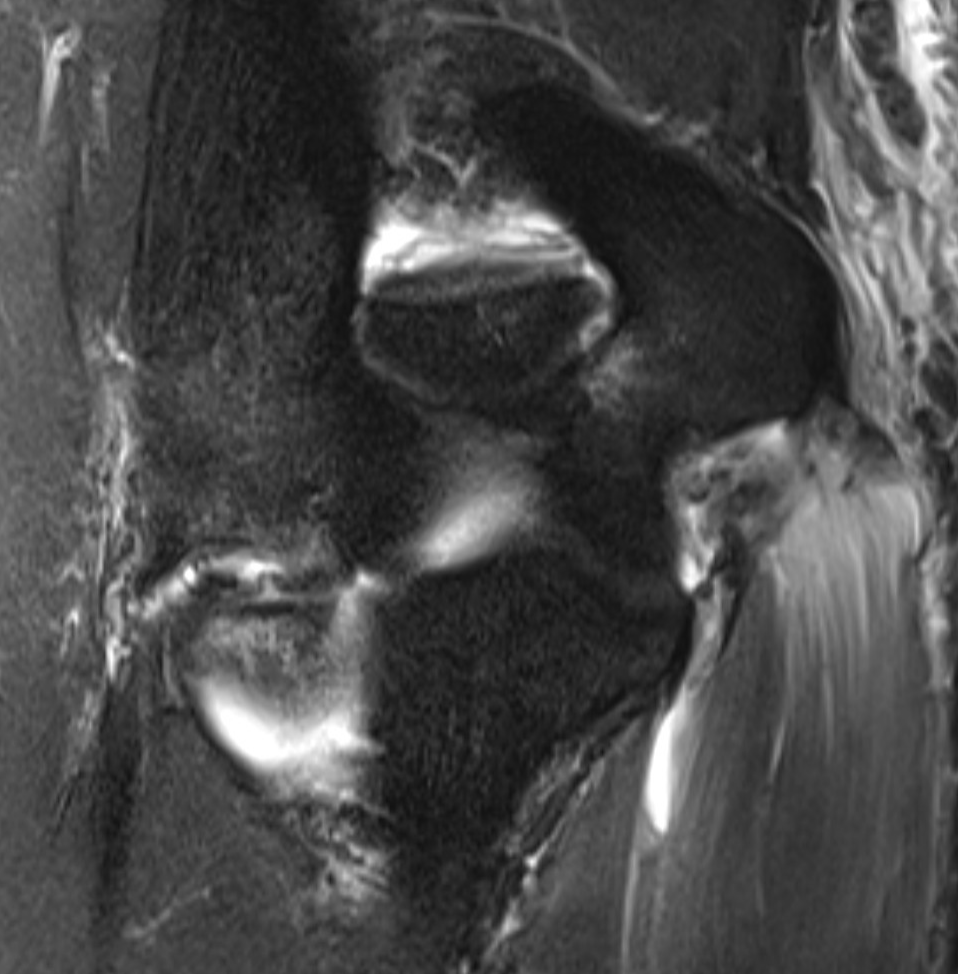
Complete UCL tear
The ligament is completely disrupted and no longer provides normal stability to the elbow.
Treatment Options
Non-Surgical Treatment
Many UCL injuries can be successfully treated without surgery.
Treatment may include:
Rest from throwing
Physical therapy
Strengthening programs
Throwing mechanics evaluation
Structured return-to-throwing program
Workload management
Biologic treatments when appropriate
The majority of athletes should attempt a comprehensive non-operative program before considering surgery.
When is Surgery Recommended?
Surgery may be considered when:
Non-operative treatment fails
A complete UCL tear is present
Instability persists
The athlete cannot return to their desired level of competition
Symptoms continue despite an appropriate rehabilitation program
Detailed information regarding Tommy John Surgery and UCL Repair can be found in the surgical treatment section.
General UCL
Frequently Asked Questions
-
The UCL is the primary ligament that stabilizes the inner side of the elbow during throwing.
-
Many athletes notice decreased velocity, poor command, fatigue, or medial elbow pain before a significant injury occurs.
-
No. Many partial tears and some complete tears can be successfully treated without surgery depending on the athlete's age, goals, and symptoms.
-
Diagnosis typically involves a detailed history, physical examination, X-rays, and advanced imaging such as MRI.
-
Continuing to throw may worsen symptoms or increase the severity of the injury. Athletes experiencing persistent elbow pain should be evaluated by a sports medicine specialist.
-
Recovery varies depending on the severity of the injury, but rehabilitation and return-to-throwing programs often require several months.
-
Many athletes return to their previous level of performance following appropriate treatment and rehabilitation.
-
While not all UCL injuries can be prevented, athletes can reduce their risk by following proper throwing mechanics, adhering to pitch count and workload recommendations, maintaining shoulder and core strength, allowing adequate recovery between throwing sessions, and avoiding throwing through pain. Early evaluation of shoulder or elbow symptoms can often help identify issues before they become more significant injuries.
-
Throwing athletes develop unique shoulder and elbow adaptations. Proper diagnosis and treatment require an understanding of throwing mechanics, workload management, and sport-specific return-to-play considerations.