Specialized care for shoulder dislocations, instability, and labral injuries in athletes and active individuals. Treatment is focused on restoring stability, reducing pain, and helping patients return confidently to sports and daily activities.
Shoulder Instability & Labral Tears
Understanding Shoulder Instability & Labral Tears
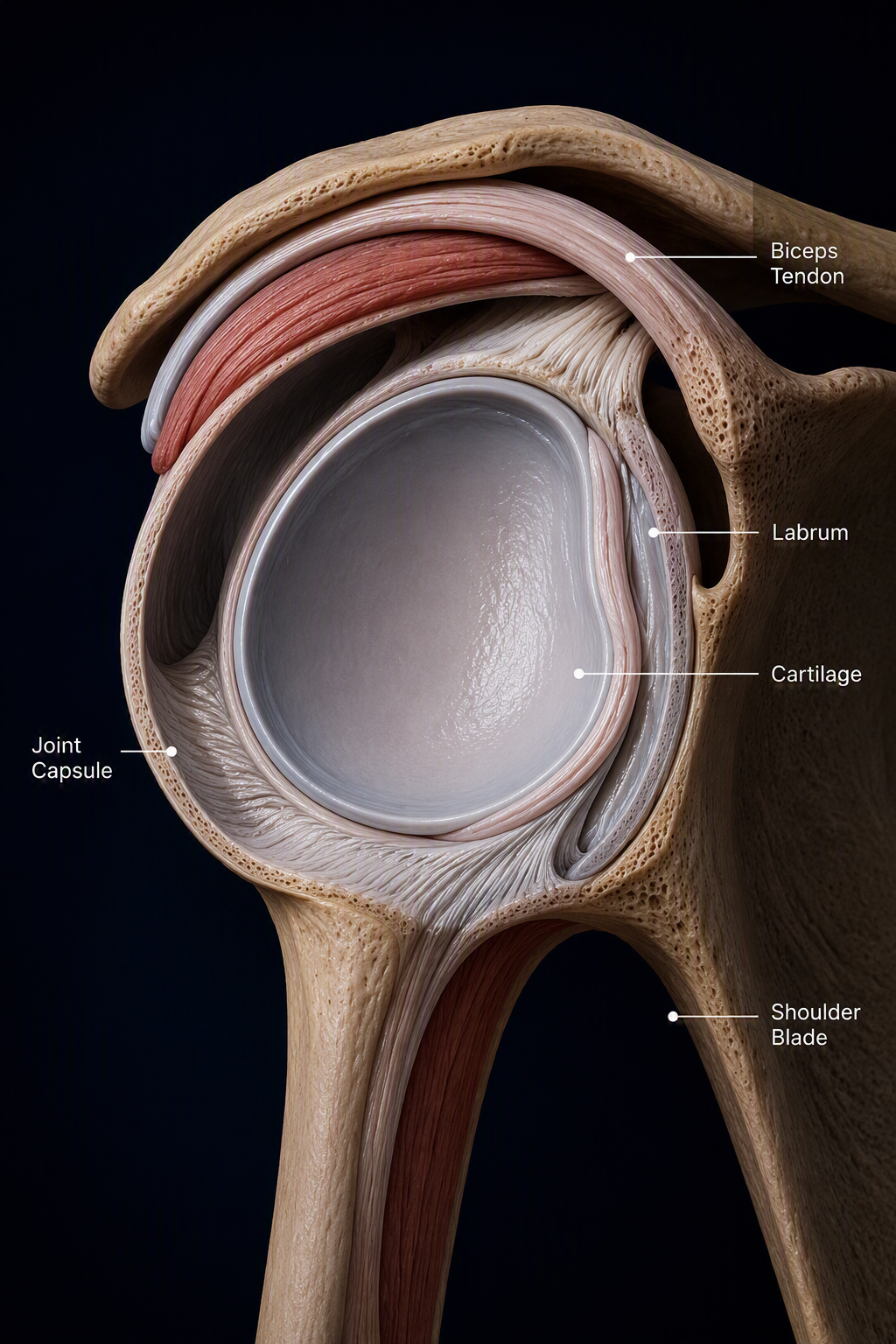
Anatomy of the Shoulder
The shoulder is one of the most mobile joints in the body. The ball of the upper arm (humeral head) sits within a shallow socket called the glenoid.
Surrounding the socket is a ring of cartilage called the labrum, which helps deepen the socket and improve stability. A combination of the labrum, ligaments, capsule, and surrounding muscles work together to keep the shoulder centered during motion.
What is Shoulder Instability?
Shoulder instability occurs when the shoulder partially slips out of the socket (subluxation) or completely dislocates.
Many patients first experience instability following a traumatic injury during sports or a fall.
Common Symptoms
Shoulder dislocation
Recurrent "slipping" or "popping out"
Pain with overhead activity
Apprehension with throwing
Feeling of looseness or instability
Loss of confidence during sports
What is a Labral Tear?
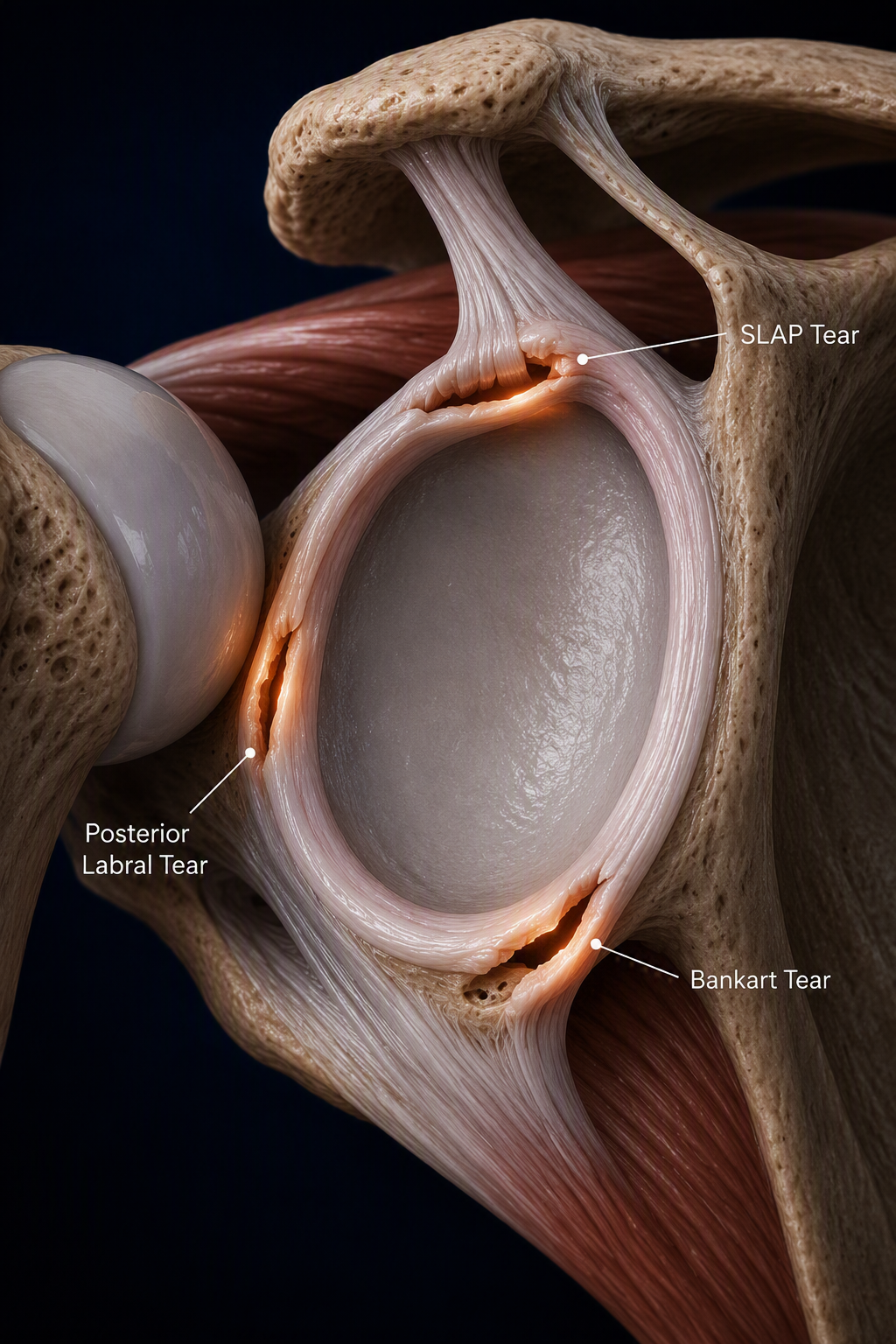
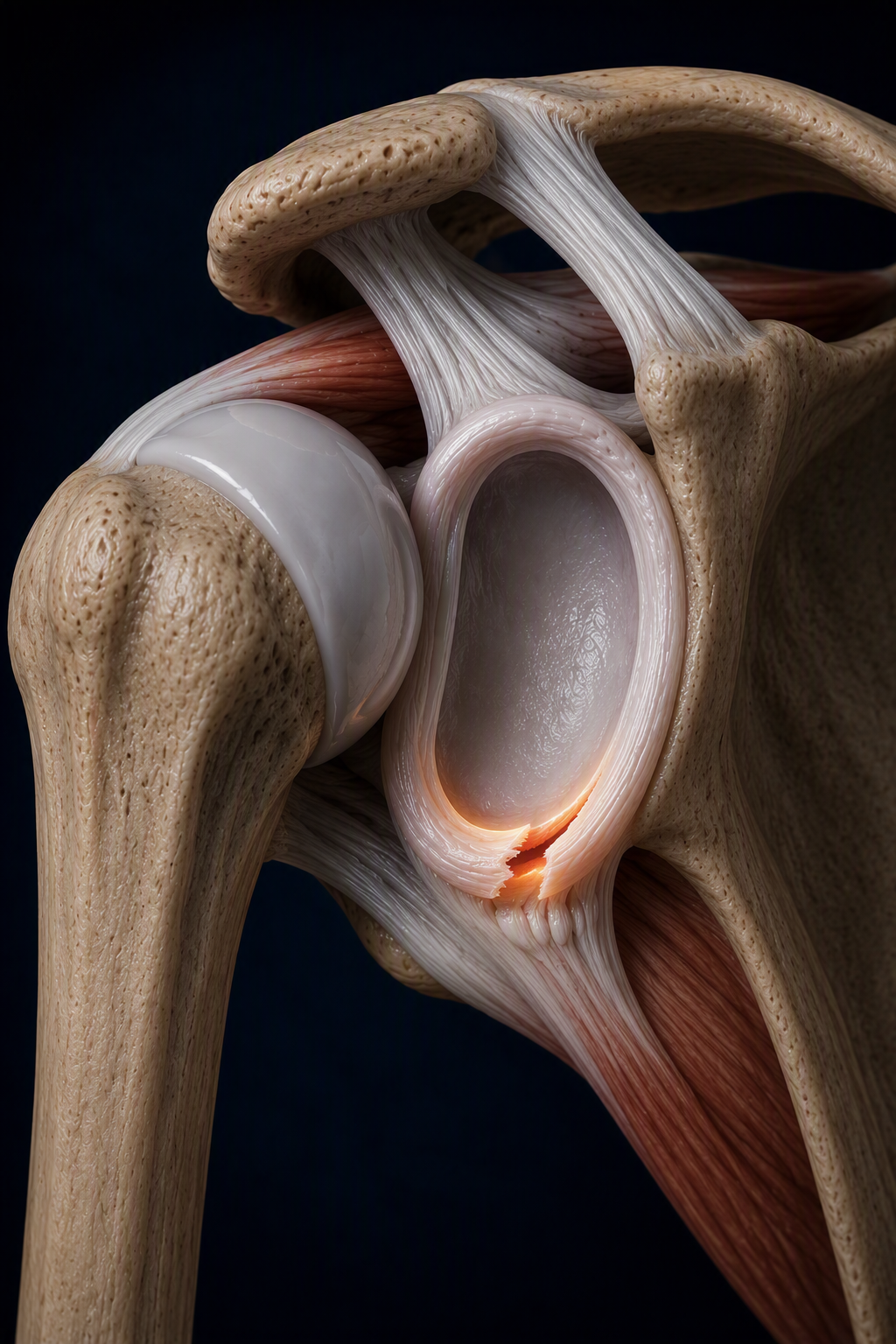
The labrum is a ring of cartilage that surrounds the shoulder socket.
Labral tears may occur from:
Shoulder dislocations
Repetitive overhead activity
Throwing sports
Weightlifting
Falls
Traumatic injuries
Types of Labral Tears
Bankart Tears
A tear of the labrum commonly associated with shoulder dislocations and instability.
SLAP Tears
A tear involving the superior portion of the labrum near the biceps tendon attachment.
Posterior Labral Tears
Often associated with weightlifting, football, and overhead athletes.
Who is at Risk?
Common patient populations include:
⚾ Baseball and softball players
🏈 Football players
🏐 Volleyball players
🏊 Swimmers
🎾 Tennis players
🏋️ Weightlifters
👨🎓 Adolescents and young adults
Treatment Options
Non-Surgical Treatment
Non-operative options may include:
Activity modification
Anti-inflammatory medication
Physical therapy
Sport-specific rehabilitation
Throwing progression programs
Gradual return to activity
Many patients improve with conservative treatment. Patients who experience a first-time dislocation may sometimes be treated without surgery depending on age, activity level, and injury pattern.
When is Surgery Recommended?
Surgery may be recommended when patients experience:
Recurrent dislocations
Persistent instability
Significant labral tears
Glenoid bone loss
Hill-Sachs lesions
Failure of non-operative treatment
High-demand athletic participation
General Shoulder Instability & Labral Tear
Frequently Asked Questions
-
Shoulder instability occurs when the ball of the shoulder joint partially slips out of the socket (subluxation) or completely comes out of the socket (dislocation). This can lead to pain, a feeling of looseness, and recurrent episodes of the shoulder "giving out."
-
A labral tear is an injury to the ring of cartilage (labrum) that surrounds the shoulder socket. The labrum helps stabilize the shoulder and serves as an attachment site for several ligaments and the biceps tendon.
-
Common symptoms include:
Shoulder pain
Popping, clicking, or catching sensations
Feelings of looseness or instability
Recurrent dislocations or subluxations
Weakness with overhead activities
Decreased throwing velocity or athletic performance
-
Some athletes can continue participation, but recurrent instability episodes can increase the risk of additional damage to the shoulder.
-
Patients who experience a first-time dislocation, particularly younger athletes, are at increased risk for future instability episodes.
-
Many labral tears can be successfully managed with physical therapy and activity modification. Some tears, particularly those causing recurrent instability, may require surgical treatment.
-
Yes. Many patients improve with non-operative treatment, including physical therapy, activity modification, anti-inflammatory medications, and sport-specific rehabilitation. Treatment recommendations depend on age, activity level, injury pattern, and individual goals.
-
Surgery may be recommended for patients with recurrent shoulder dislocations, persistent instability, significant labral tears, failure of conservative treatment, or athletes participating in contact or overhead sports who wish to return to a high level of competition.
-
Most patients can successfully return to sports and physical activity following appropriate treatment and rehabilitation. Recovery timelines vary depending on the severity of the injury, the specific procedure performed, and the demands of the sport.
-
A Bankart tear occurs in the front portion of the labrum and is commonly associated with instability. A SLAP tear involves the top of the labrum near the biceps tendon attachment.
-
Shoulder instability and labral injuries are frequently seen in athletes participating in contact sports and overhead activities, including football, baseball, softball, volleyball, swimming, wrestling, and tennis. These injuries can also occur during falls, weightlifting, or other traumatic events.
-
Patients with shoulder instability often describe a feeling that the shoulder may "slip out," "give way," or "pop out" during certain activities. Some patients experience recurrent dislocations or subluxations, while others notice pain, apprehension, or a lack of confidence when reaching overhead, throwing, lifting weights, or participating in sports.
Arthroscopic Labral Repair
Minimally invasive repair of the torn labrum using suture anchors.
Bankart Repair
Reconstruction of the anterior labrum and stabilizing ligaments following shoulder instability.
Remplissage
Additional procedure sometimes performed to address Hill-Sachs lesions and improve stability.
Bone Block Procedures
Advanced stabilization procedures utilized in patients with significant glenoid bone loss or recurrent instability.
Surgical Treatment
Recovery Timeline
Weeks 0-6
Sling protection
Early passive motion
Protection of repair
Weeks 6-12
Progressive motion
Begin strengthening
Months 3-4
Return to functional activities
Months 4-6+
Return to sport progression
Throwing progression when appropriate
Recovery timelines may vary depending on the procedure performed and the demands of the patient's sport.
Patient Resources
Shoulder Instability Surgical
Frequently Asked Quesitons
-
Formal physical therapy will begin when Dr. Danaher decides. Therapy typically starts one or two weeks after surgery for arthroscopic labral repairs.
-
When you do not have any pain, inflammation or welling. After exercising or returning to activity, you may develop pain and inflammation, in this case, cryotherapy should be utilized immediately. Even when you do not have any immediate symptoms, you may utilize cryotherapy preventively to avoid any residual symptoms. Use for 3-7 days, 20-30 minutes on then 20-30 minutes off, at least five times daily. Icing is VERY helpful in the management of pain and discomfort following surgery.
-
You can take the sling off for showering and to do elbow, wrist, and finger exercises. However, you MUST wear your sling when active, in public, and when sleeping for the first 4 weeks after surgery. Ultimately, this will be decided by Dr. Danaher and may be determined by the extent of the procedure that has been done. You will wake up after surgery with your operated arm in a sling. There is a “pillow” that is part of the sling. This pillow is between your arm and body to help hold your arm in the correct position. The straps on the sling can be moved and adjusted for your comfort. Your elbow should be fully supported by the sling and you should not “shrug” your shoulder or “hold” your shoulder in place; relax the arm to let the sling work. You should wear your sling at all times with the exception of bathing, dressing and doing exercises for the next six weeks (unless otherwise directed by your care team). Be sure to wear your sling even when you sleep.
-
Generally, 4 weeks after your surgery or when you are no longer in a sling or taking any narcotic medicine. It is recommended that before driving on a highway, you practice controlling a car in a safe and empty parking lot to make sure that you can exercise adequate control of the vehicle.
-
This depends on the type of surgery you had, and the type of work you do (sedentary/desk job, versus physically demanding active work). It is very important to discuss with Dr. Danaher before surgery.
-
Arthroscopy is a minimally invasive surgical technique that utilizes a fiber optic camera, called an “arthroscope” to allow a surgeon to view an affected joint without requiring a large incision.
-
Do not wait to see if it will heal itself. You may call Dr. Danaher office right away. You may need to schedule an evaluation
-
This will be decided by Dr. Danaher. The type of surgical procedure will be a factor in this decision. Other factors that may be evaluated is normal range of motion and flexibility; normal strength; and lack of symptoms. Usually sports specific activities (e.g. golf or tennis) will be normally allowed around 4 to 6 months post-operatively depending on the type of surgery and injury.
-
Your first office visit will be approximately 10-14 days after your surgery. Dr. Danaher will inform you on how often you will return for follow-up appointments.
-
You should plan to wear loose, comfortable clothing and supportive, stable shoes.
-
You may typically shower 2 to 3 days after surgery once your dressing has been removed or as directed by Dr. Danaher. Do not soak the incision in a bathtub, hot tub, swimming pool, lake, or ocean until the incisions are completely healed and you have been cleared by your care team. After showering, gently pat the incisions dry and avoid scrubbing the surgical site.
-
Some pain and discomfort are expected following surgery, particularly during the first several days. Most patients notice gradual improvement in pain with appropriate use of medications, cryotherapy (icing), rest, and physical therapy. If you experience severe pain that is worsening, is not controlled by medication, or is associated with fever, drainage, increasing redness, or significant swelling, contact Dr. Danaher's office as soon as possible.