Comprehensive care for shoulder arthritis and rotator cuff tear arthropathy, helping patients relieve pain, restore function, and return to the activities they love. Treatment options range from non-operative therapies to advanced shoulder replacement procedures tailored to each patient's goals and lifestyle.
Shoulder Arthritis & Replacement
Understanding the Shoulder
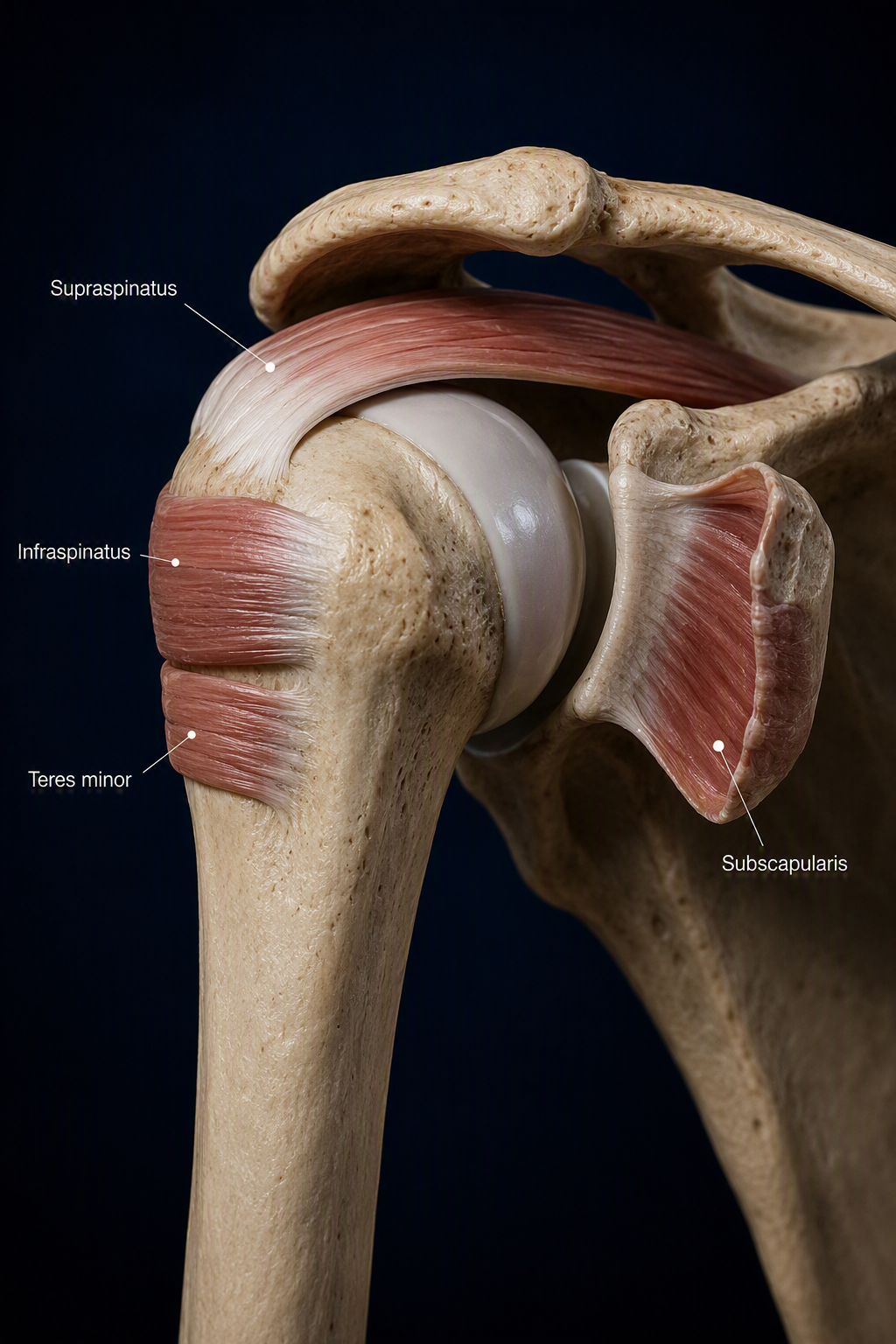
Anatomy of the Shoulder
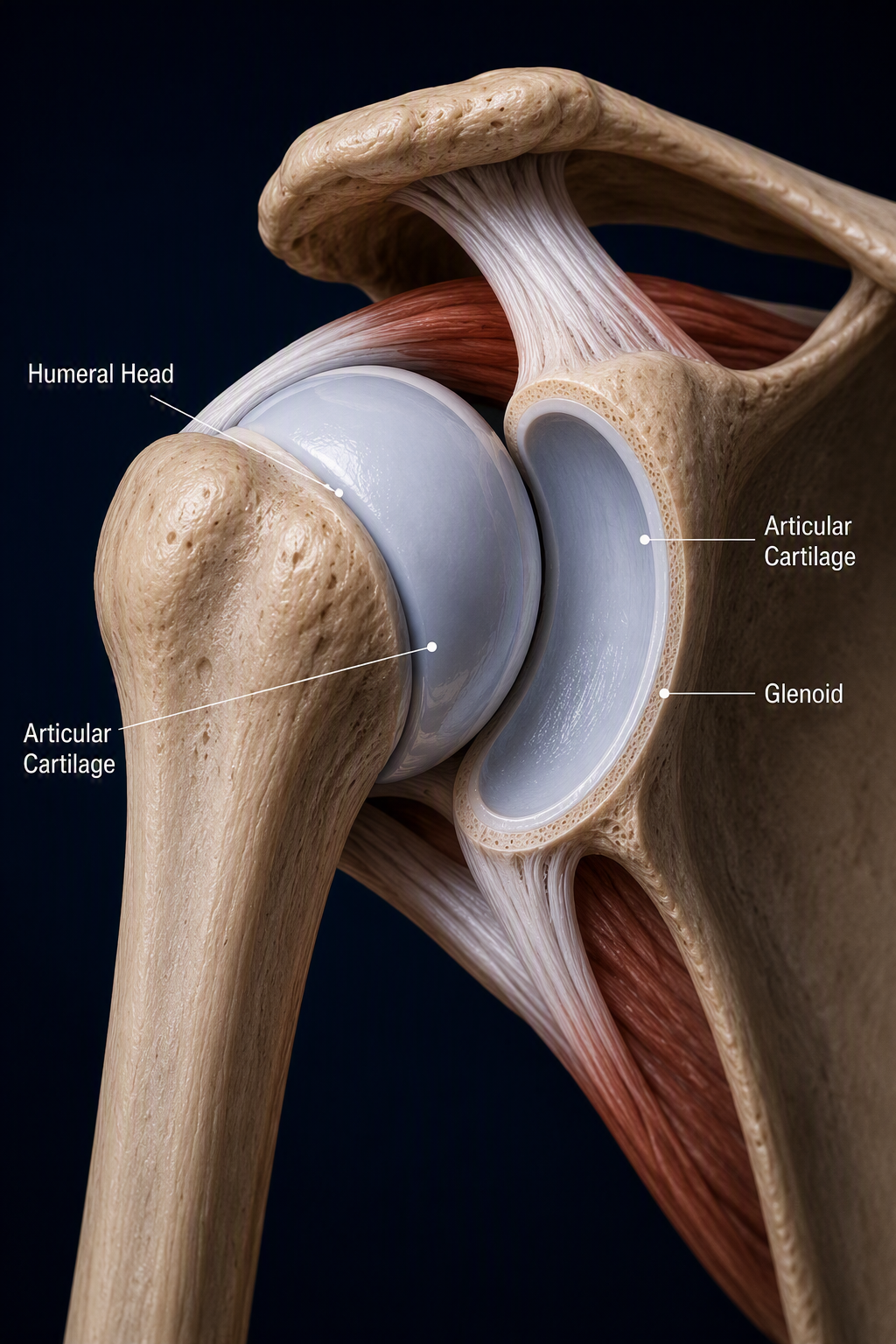
The shoulder is one of the most mobile joints in the body, allowing us to reach, lift, throw, push, and perform activities overhead. It functions as a ball-and-socket joint, where the ball at the top of the upper arm bone (humeral head) fits into the socket of the shoulder blade (glenoid).
The surfaces of the ball and socket are covered with smooth articular cartilage, which allows the shoulder to move easily and painlessly. Surrounding the socket is a ring of cartilage called the labrum, which helps improve stability and keeps the shoulder centered during movement.
A group of four muscles and tendons known as the rotator cuff surrounds the shoulder joint. The rotator cuff helps lift and rotate the arm while also providing important stability. Together, the cartilage, labrum, rotator cuff, and surrounding muscles work to provide the shoulder with its unique combination of mobility and strength.
When these structures become damaged through arthritis, rotator cuff tears, injury, or normal wear and tear over time, patients may experience pain, stiffness, weakness, and loss of function.
What is Shoulder Arthritis?
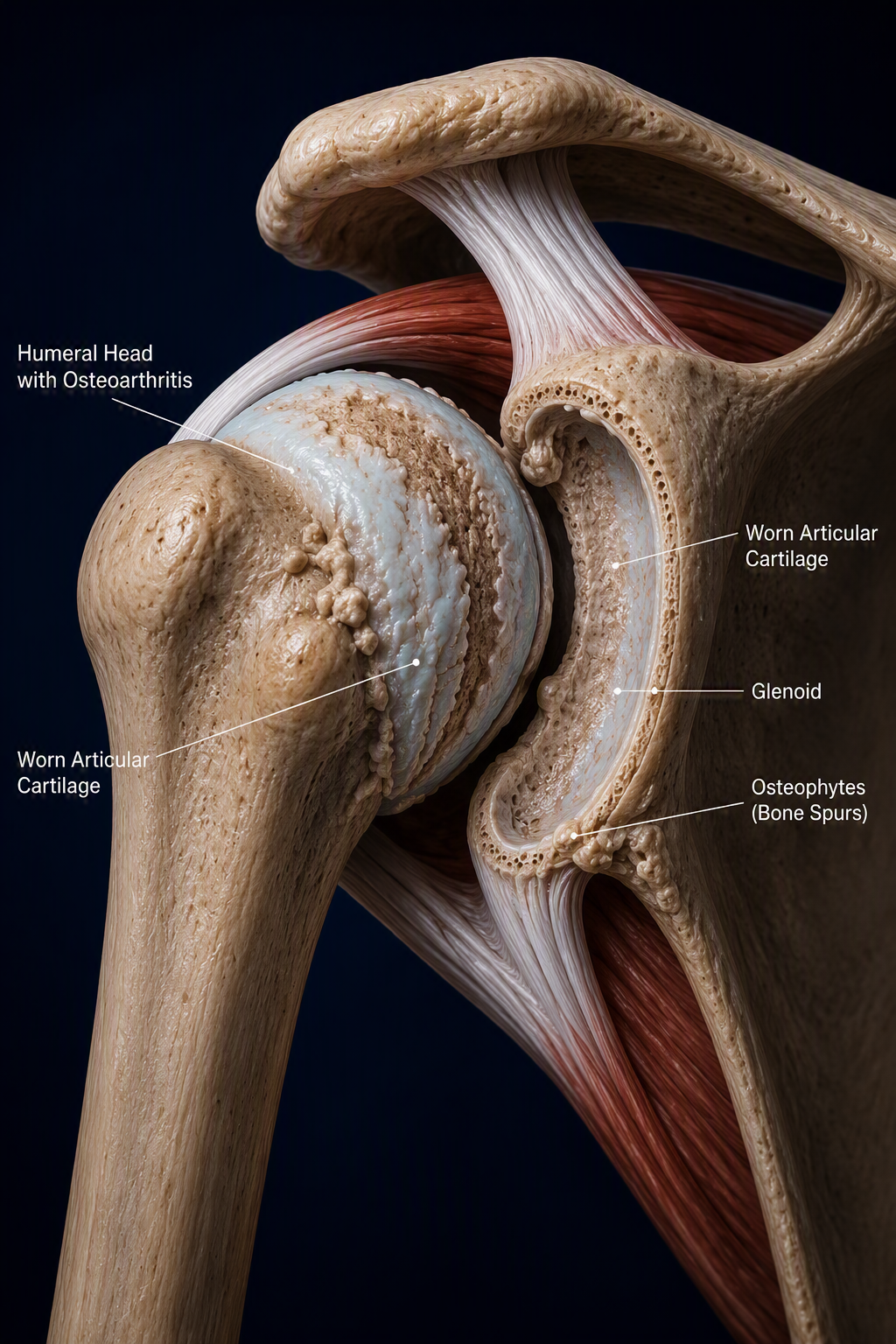
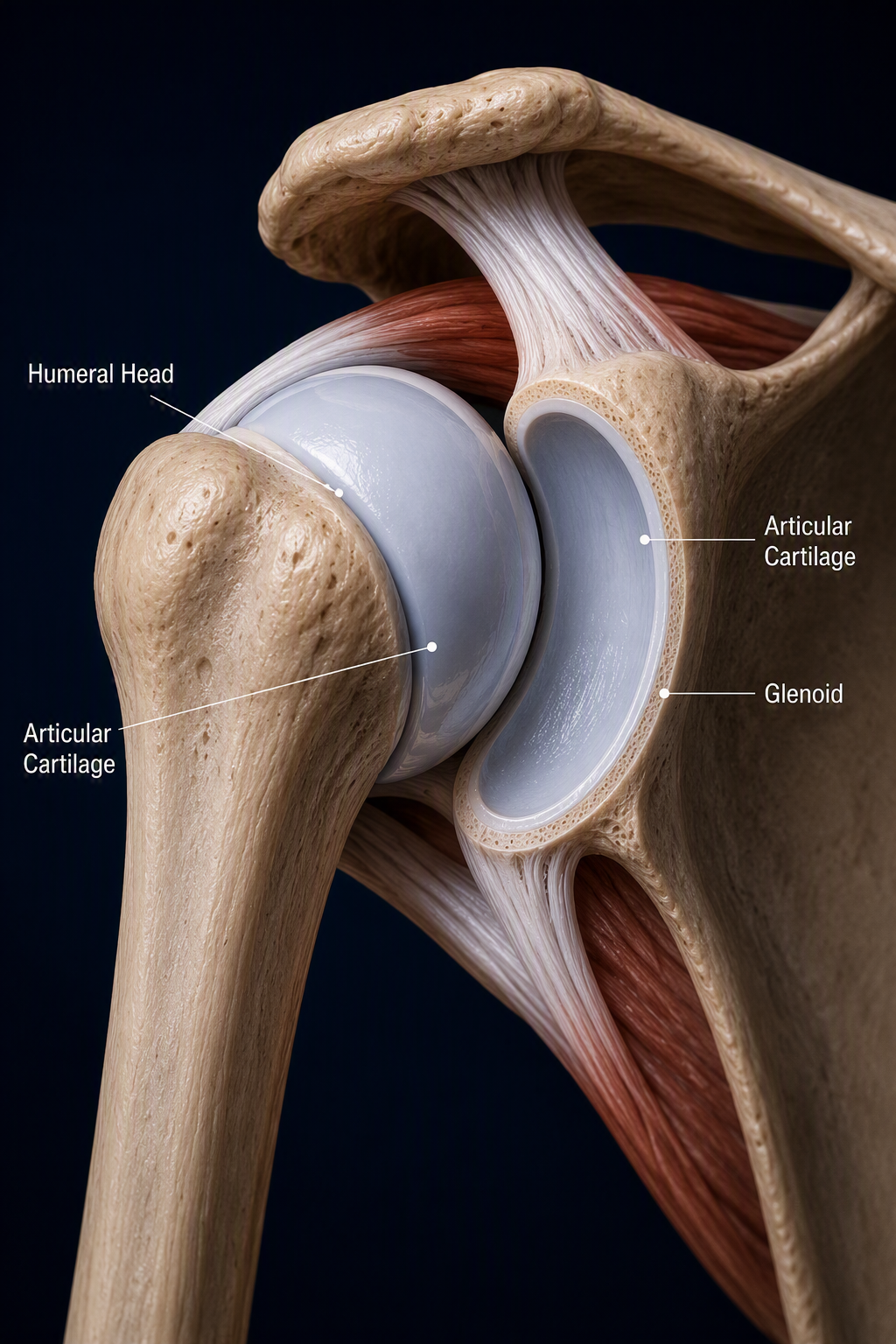
Shoulder arthritis occurs when the smooth cartilage covering the ball and socket joint wears away over time, leading to pain, stiffness, and loss of function.
Common Symptoms
Shoulder pain
Night pain
Stiffness
Difficulty reaching overhead
Loss of motion
Difficulty with daily activities
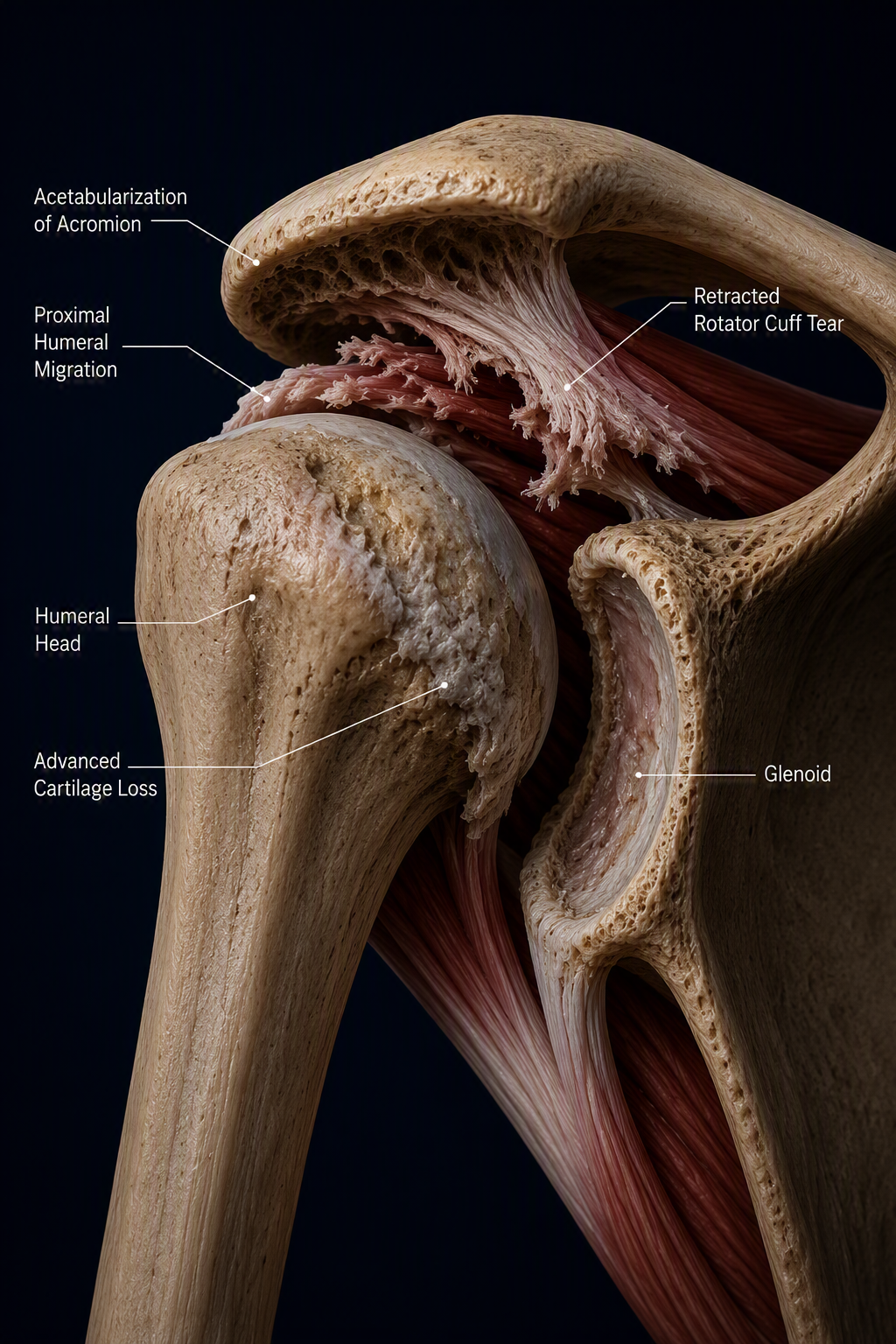
What is Rotator Cuff Tear Arthropathy?
Rotator cuff tear arthropathy is a specific type of shoulder arthritis that develops after a large or irreparable rotator cuff tear. Without a functioning rotator cuff, the shoulder loses its normal mechanics, causing the humeral head to migrate upward and resulting in pain, weakness, and loss of function.
Common Symptoms
Difficulty lifting the arm
Shoulder weakness
Pain
Loss of function
Inability to reach overhead
Treatment Options
Non-Surgical Treatment
Most patients should attempt non-operative treatment before considering shoulder replacement surgery.
Treatment options include:
Activity modification
Physical therapy
Home exercise programs
Anti-inflammatory medications
Corticosteroid injections
Many patients can successfully manage symptoms without surgery.
When Is Surgery Recommended?
Shoulder replacement may be recommended when:
Pain becomes persistent
Sleep is affected
Motion is severely limited
Weakness impacts daily activities
Non-operative treatments are no longer effective
General Arthritis, Cuff Tear Arthropathy, & Replacement
Frequently Asked Questions
-
Shoulder arthritis occurs when the smooth cartilage covering the ball and socket joint gradually wears away over time. As the cartilage deteriorates, the bones can rub against one another, leading to pain, stiffness, and loss of motion.
-
Rotator cuff tear arthropathy is a specific type of shoulder arthritis that develops after a large or irreparable rotator cuff tear. Over time, abnormal shoulder mechanics can lead to joint degeneration, pain, weakness, and loss of function.
-
Common symptoms include:
Shoulder pain
Night pain
Stiffness
Loss of motion
Difficulty reaching overhead
Pain with daily activities
Difficulty sleeping on the affected side
-
Yes. Many patients experience significant improvement with non-operative treatment, including activity modification, physical therapy, anti-inflammatory medications, and corticosteroid injections.
-
Treatment options may include:
Physical therapy
Home exercise programs
Activity modification
Anti-inflammatory medications
Corticosteroid injections
Periodic observation and monitoring
The goal is to reduce pain, maintain motion, and preserve function.
-
Patients commonly experience:
Pain
Weakness
Difficulty lifting the arm
Loss of shoulder function
Difficulty performing overhead activities
Progressive loss of motion
-
Pseudoparalysis occurs when a patient is unable to actively lift their arm despite the muscles and nerves remaining intact. This is commonly seen in patients with massive rotator cuff tears and rotator cuff tear arthropathy.
-
Arthritis is generally a progressive condition. While non-operative treatments can help manage symptoms and improve function, they do not reverse the underlying cartilage loss.
-
No. Many patients can successfully manage their symptoms for years without surgery. Treatment decisions are based on symptom severity, functional limitations, response to conservative treatment, and individual goals.
-
Yes. Night pain is one of the most common complaints among patients with shoulder arthritis and rotator cuff tear arthropathy. Many patients report difficulty sleeping on the affected side or waking up due to shoulder pain. As arthritis progresses, sleep disturbances may become more frequent and can significantly impact overall quality of life.
-
Absolutely. The goal of treatment is to keep patients active and maintain their quality of life. Many individuals with shoulder arthritis continue to enjoy activities such as golf, pickleball, swimming, gardening, fishing, and exercise through a combination of activity modification, physical therapy, home exercise programs, and other non-operative treatments.
-
Patients should consider evaluation if shoulder pain, stiffness, or weakness begins affecting sleep, daily activities, work, recreational activities, or overall quality of life.
Types of Shoulder Replacements
Shoulder replacement surgery is designed to relieve pain, restore function, and improve quality of life in patients with shoulder arthritis, rotator cuff tear arthropathy, fractures, and other complex shoulder conditions. The type of shoulder replacement recommended depends on the condition of the joint, the rotator cuff, and each patient's individual goals.
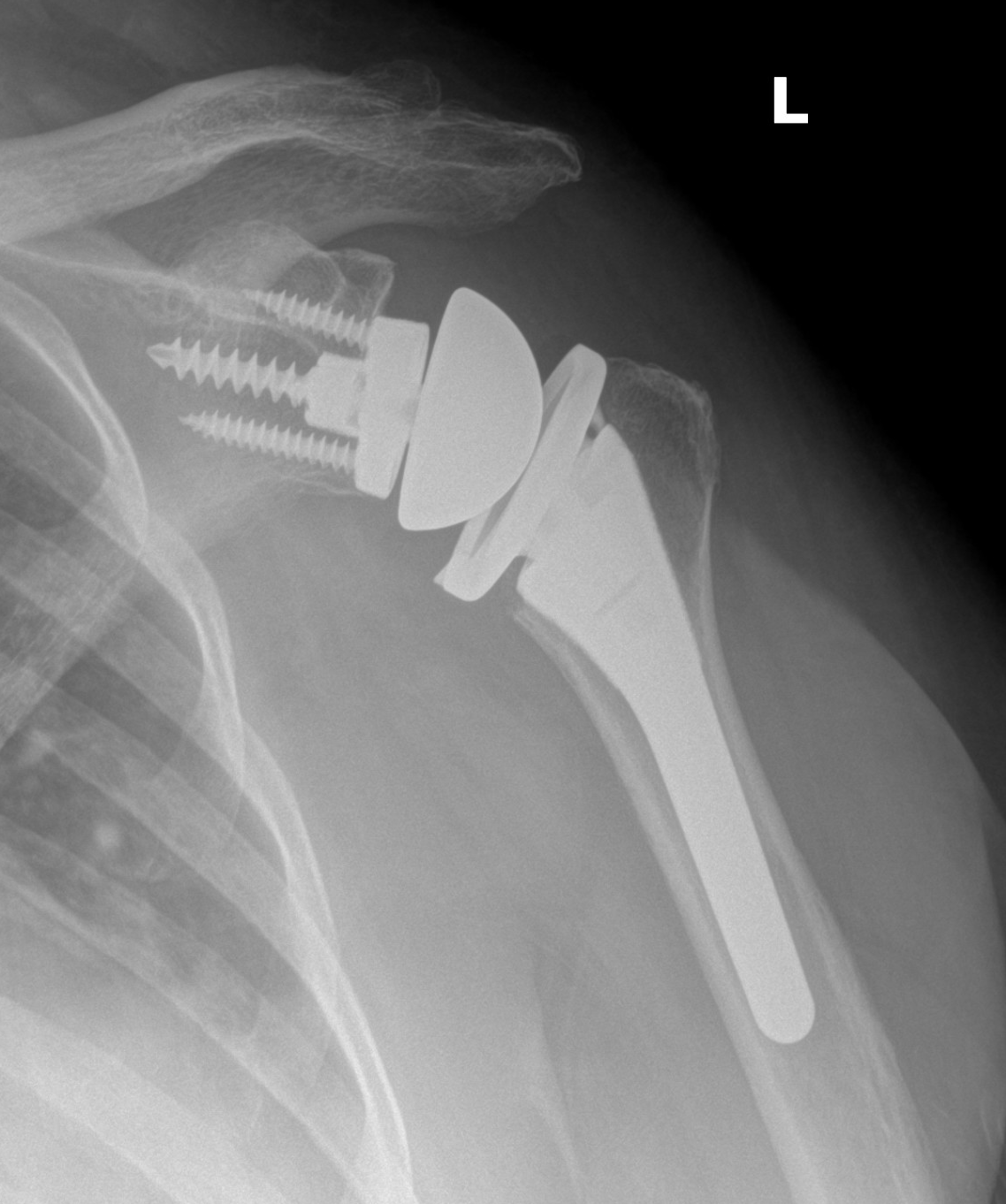
Reverse Shoulder Arthroplasty
This procedure changes the mechanics of the shoulder by placing a ball (glenosphere) on the socket side and a socket on the humeral side. This allows the deltoid muscle to compensate for a deficient rotator cuff.
Common Indications
Rotator cuff tear arthropathy
Massive irreparable rotator cuff tears
Pseudoparalysis
Complex proximal humerus fractures
Revision shoulder replacement surgery
Failed previous shoulder surgery
Goal
Restore shoulder function, improve strength, and relieve pain when the rotator cuff can no longer adequately stabilize or move the shoulder.
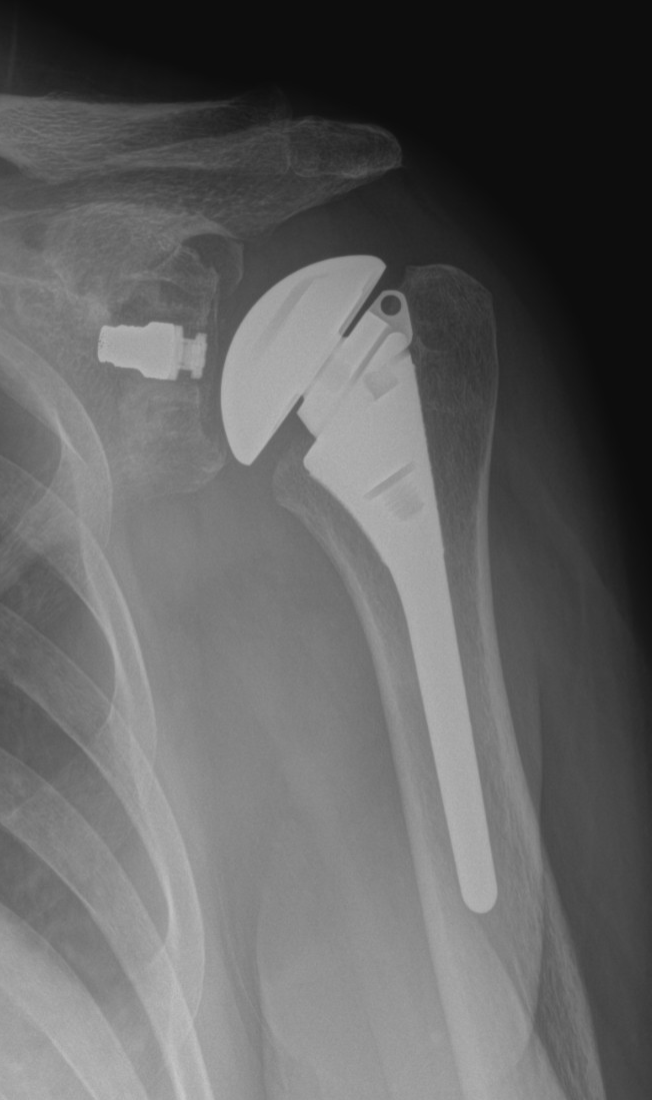
Anatomic Shoulder Arthroplasty
This procedure replaces both the ball and socket portions of the shoulder joint, recreating normal shoulder anatomy.
Common Indications
Primary glenohumeral osteoarthritis
Inflammatory arthritis
Post-traumatic arthritis
Intact and functioning rotator cuff
Goal
Relieve pain, restore motion, and improve shoulder function while maintaining normal shoulder biomechanics.
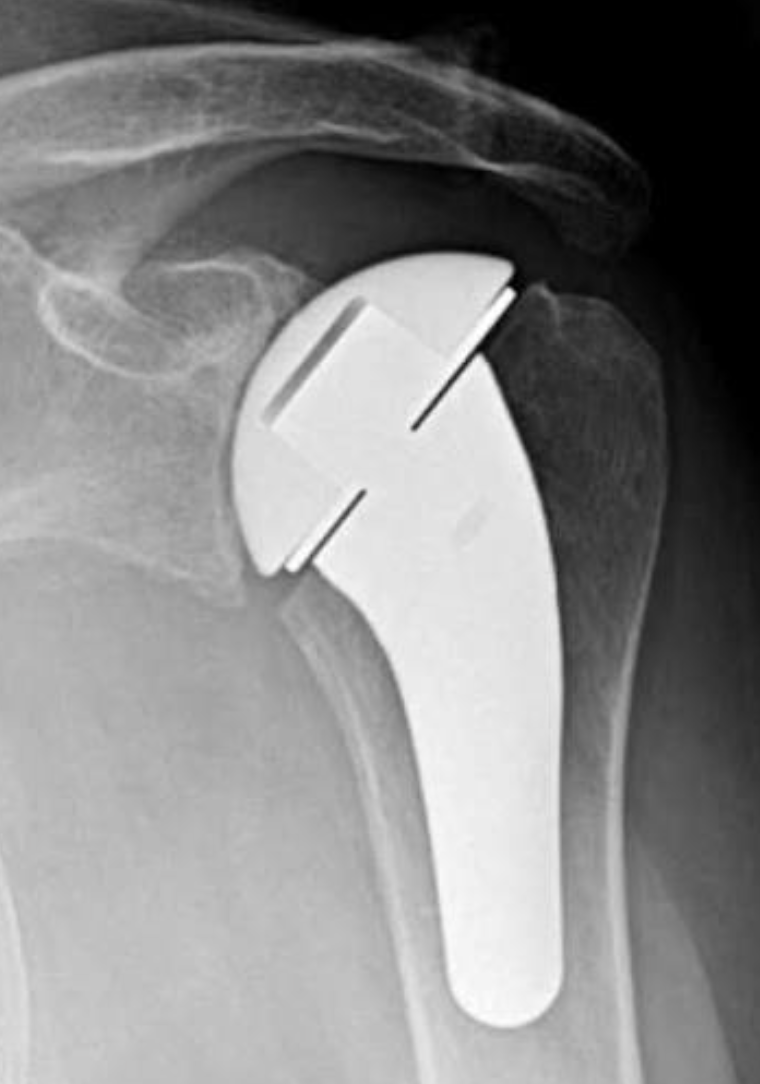
Hemiarthroplasty
This procedure involves replacing only the ball portion of the shoulder joint (humeral head) while preserving the native socket (glenoid).
Common Indications
Certain proximal humerus fractures
Avascular necrosis
Select younger patients with isolated humeral head disease
Cases where the glenoid cartilage remains relatively preserved
Goal
Relieve pain and restore function while preserving native shoulder anatomy when appropriate.
Shoulder replacement surgery may be recommended for patients with arthritis, rotator cuff tear arthropathy, or other conditions causing persistent pain and loss of function despite non-operative treatment. Depending on the diagnosis, several replacement options are available to restore comfort, mobility, and quality of life. Most shoulder replacement procedures are performed on an outpatient basis, allowing patients to return home the same day, while some patients may benefit from a short hospital stay based on their individual needs.
Shoulder Replacement Surgery
Goals of Surgery Include
The primary goals of shoulder replacement surgery are to:
Relieve pain
Restore shoulder motion
Improve strength and function
Enhance quality of life
Restore independence with daily activities
Help patients return to an active lifestyle
Recovery Timeline
Weeks 0–6
Sling for protection and comfort
Gentle motion exercises begin early
Focus on pain relief and restoring mobility
Weeks 6–12
Sling has been discontinued
Begin strengthening
Continued improvement in motion and daily function
Months 3–6
Return to many recreational activities
Significant improvement in comfort, strength, and function
Many patients resume activities such as golf, swimming, and pickleball
6+ Months
Continued gains in strength and endurance
Return to higher-demand activities as appropriate
Recovery continues to improve throughout the first year
A Personalized Recovery Plan
Every patient's recovery is unique. Rehabilitation is tailored to the type of shoulder replacement, underlying diagnosis, activity level, and individual goals. While recovery continues for several months, most patients experience meaningful improvements in pain, sleep, and day-to-day function much earlier in the process, allowing them to return to the activities they enjoy with greater comfort and confidence.
Patient Resources
Shoulder Replacement
Frequently Asked Questions
-
A Total Joint Replacement procedure involves the complete removal of a damaged or arthritic joint, and its replacement with an artificial joint implant, called prosthesis. Commonly replaced joints include the shoulder, hip, and knee. Total Joint Replacements are typically recommended when non-surgical treatment methods such as physical therapy, cortisone injections, and medications, fail to alleviate joint pain and improve range of motion and strength.
-
If you have severe arthritis causing unrelenting pain and stiffness in your shoulder, and you are unable to lift your arm for such basic activities as washing, dressing, or eating, you may be a candidate for shoulder replacement.
-
On average, artificial joints have a lifespan of 15-20 years. If you are in your 40-50 years old when you have your joint replacement surgery, especially if you live an active lifestyle, you are likely to need another joint replacement surgery later in life.
-
Do not assume it will heal on its own. Please call Dr. Danaher's office right away to determine if you need an evaluation.
-
When you do not have any pain, inflammation, or swelling, you may discontinue cryotherapy. If you experience any discomfort or inflammation after exercising or returning to activity, resume your cryotherapy immediately. Even when you do not have immediate symptoms, you may utilize cryotherapy preventively to avoid any residual symptoms. Use for 3-7 days, 3-5 times per day for 30 minutes to 1 hour each session.
-
Dr. Danaher will make this decision on a case-by-case basis, taking into consideration the type of surgical procedure you had; your normal range of motion, strength, and flexibility; and symptoms. Many patients return to sport-specific activities around 4 to 6 months after surgery.
-
Shoulder replacements do contain metal so this is a possibility, but it depends on the sensitivity of the detector and the amount of other metal in your body. We do not provide cards stating that you have had a joint replacement since the Transportation Security Administration (TSA) will not accept them. Simply tell the security agent about your shoulder replacement if the alarm is activated.
-
Most patients receive a regional block unless there is a contraindication to it. Further anesthesia is determined by your anesthesiologist. Your anesthesiologist will speak with you before the procedure and address any of your questions or concerns.
-
You should plan to wear loose, comfortable clothing and supportive, stable shoes. Slip on shoes are easier to get into after surgery. Try to bring in a loose top that opens up in the front.
-
This will depend on the type of surgical procedure. After having arthroscopic shoulder surgery or total joint replacement, you will generally wear a sling for 4 to 6 weeks. Dr. Danaher will decide how long the sling is beneficial based on the type of procedure and your recovery. You will wake up after surgery with your operated arm in a sling. There is a "pillow" that is part of the sling. This pillow is between your arm and body to help hold your arm in the correct position. The straps on the sling can be moved and adjusted for your comfort. Your elbow should be fully supported by the sling and you should not "shrug" your shoulder or "hold" your shoulder in place; relax the arm to let the sling work. You should wear your sling at all times with the exception of bathing, dressing and doing exercises for the next six weeks (unless otherwise directed by your care team). Be sure to wear your sling even when you sleep.
-
We will need to see you for a follow-up appointment around 10-14 days after your surgery. Dr. Danaher will then assess your recovery to determine the timing of additional appointments. Most commonly you will be seen at 2 weeks, 6 weeks, and 3 months after surgery. The timing of further visits will be determined by Dr. Danaher.
-
Dr. Danaher will decide when you are ready to start formal physical therapy. Therapy usually begins 7-10 days after surgery for Total Shoulder Replacement patients and around 30 days post-op for patients who have had Reverse Shoulder Replacements.
-
Generally dental work and other invasive procedures can be performed safely 2 months after a Total Shoulder Replacement or Reverse Shoulder Replacement. You may need to take prophylactic antibiotics an hour before such procedures to reduce the risk of infection.
-
Typically 4 weeks after your surgery is a safe time to start driving, provided you are no longer using a sling or taking a narcotic medication. It is important to practice controlling your car or vehicle in an empty parking lot to make sure that you can exercise safe and reasonable control of the vehicle prior to getting on a busy freeway.
-
This depends on the type of surgery you had, and the type of work you do (sedentary/desk job vs. physically demanding active work). It is very important to discuss this issue with Dr. Danaher before your surgery.
-
With regular physical therapy, range of motion should be nearly restored within six weeks. With continued strengthening exercises, both strength and function of your shoulder should be dramatically improved at three months, with complete recovery within a year after surgery.
-
Yes. But other valuables (Laptops, iPads, iPods, Jewelry, etc) should be left at home.